

Running an online business means handling payments securely and efficiently. But with so many e-commerce merchant account providers out there, how do you choose the right one for your business?
The right provider can save you money, improve your customer experience, and help you grow your business. In this blog, we’ll explain the key factors to consider when selecting the best provider, whether you’re just starting out, working in a high-risk industry, or scaling your business.
Let’s explore how to find the best payment partner for your e-commerce journey!
What is an E-Commerce Merchant Account?
An e-commerce merchant account is a specialized bank account that allows your business to accept online payments.
- Processes transactions: Accepts payments from credit cards, debit cards, and digital wallets.
- Vital for e-commerce: Essential for enabling online transactions in your store.
- Acts as a bridge: Connects the customer’s payment method with your business’s bank account.
- Ensures secure processing: Facilitates smooth, safe transactions between customers and your business.
How Does an E-commerce Merchant Account Help Your Business?
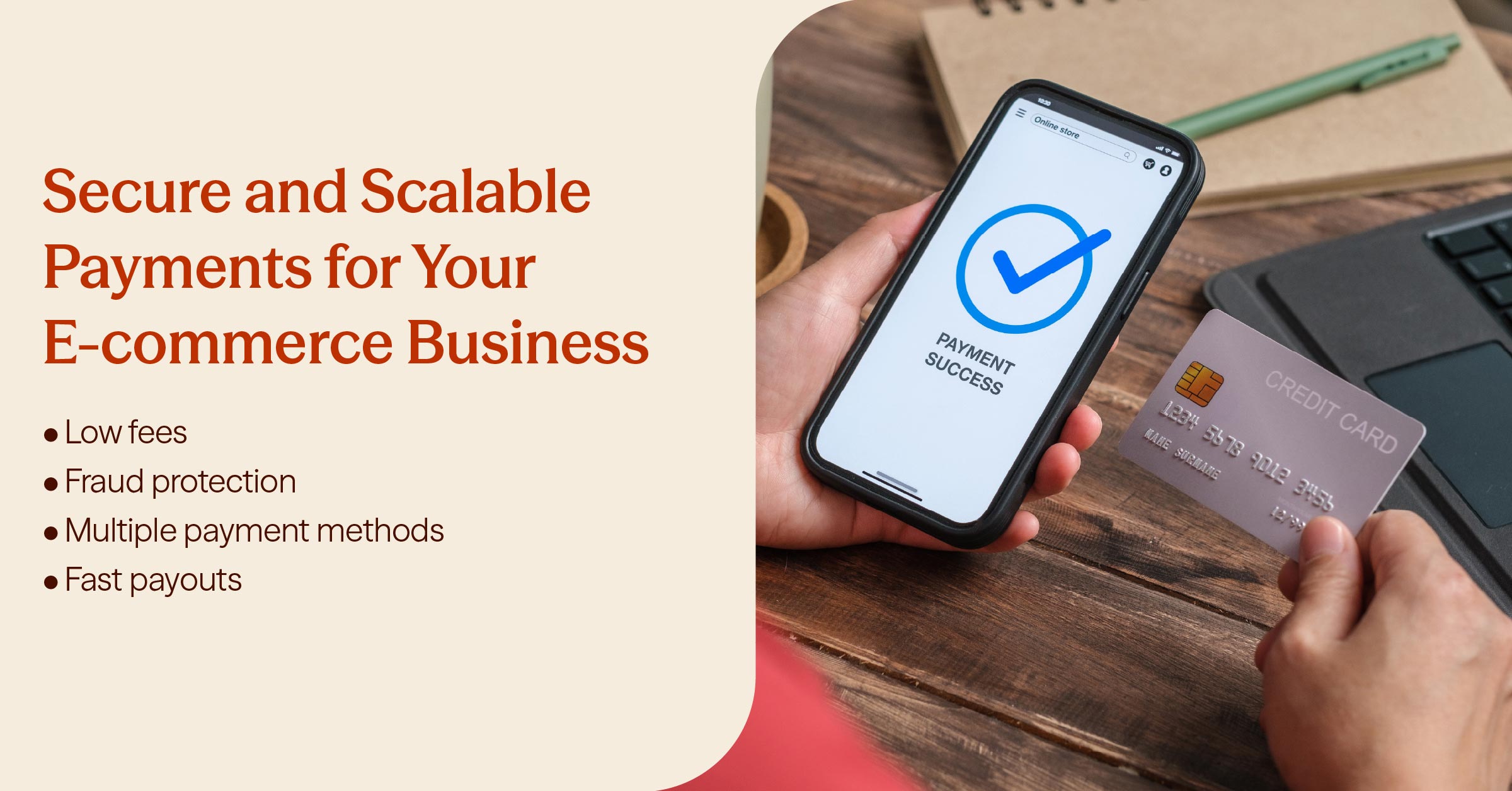
An e-commerce merchant account helps your business by providing a secure, reliable way to accept payments online. It ensures that:
- Transactions are secure, protecting sensitive customer payment data.
- You can process credit card, debit card, and digital wallet payments, increasing sales opportunities.
- Fees are manageable, with competitive pricing models that suit your business size.
- As your business grows, the account can handle increased transaction volumes without limitations.
In short, it simplifies payment processing, enhances customer trust, and supports the growth of your business.
True Merchant Accounts vs. Payment Aggregators
You’ll often hear the terms true merchant accounts and payment aggregators thrown around. So, what’s the difference, and how does it impact your business? Let’s break it down:
1. True Merchant Accounts (e.g., Suede, Stax)
- Dedicated MID (Merchant Identification Number)
- Lower rates for businesses with high transaction volumes
- Requires PCI compliance and underwriting
Who it’s for: Businesses processing a large volume of transactions and those who need more control over their payment system.
2. Payment Aggregators (e.g., Stripe, Square)
- Pooled MID shared with other businesses
- Easy to set up and great for startups
- Higher fees for larger transactions
Who it’s for: Small businesses or startups looking for a simple, no-fuss solution.
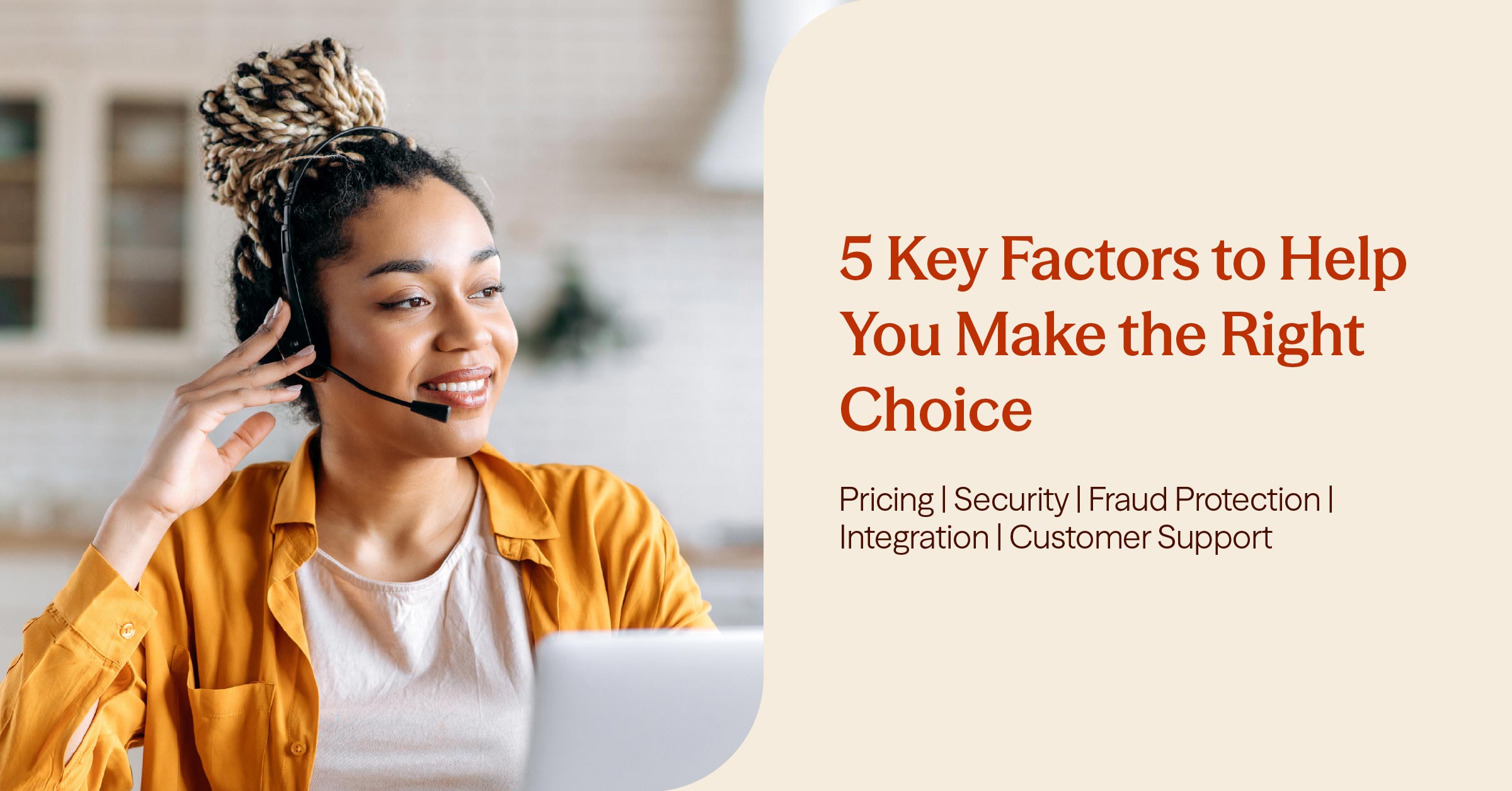
5 Key Factors to Choose the Best E-Commerce Merchant Account Provider
Choosing the provider doesn’t have to be overwhelming. Here are 5 key factors to guide your decision-making:
1. Pricing Model
Pricing impacts your bottom line. Compare:
- Interchange-plus pricing: Suede, Stax – cost-effective for high-volume businesses
- Flat-rate pricing: Stripe – simple for low-volume businesses but can be expensive for scaling
💡 Tip: Always calculate projected monthly transactions to see which pricing structure saves you the most.
2. Security and PCI Compliance
Payment security is non-negotiable. Look for:
- PCI Level 1 compliance for data protection
- Fraud monitoring tools
- Providers: Suede, PaymentCloud
3. Fraud Protection Tools
Fraud can harm your business reputation and revenue. Ensure your provider offers:
- AI-powered fraud detection
- Real-time monitoring
- Customizable alerts and risk scoring
4. Ease of Integration
Your provider should integrate with platforms like:
- Shopify
- WooCommerce
- Magento
- BigCommerce
Seamless integration minimizes downtime and improves user experience.
5. Customer Support
Reliable support is essential for uninterrupted business:
- 24/7 U.S. – based assistance
- Fast issue resolution for chargebacks, payment failures, or technical issues
- Providers like Suede and Stax excel in support
Top E-Commerce Merchant Account Providers in 2026
Here’s a breakdown of the top e-commerce merchant account providers for 2026 and who they’re best suited for:
Stripe
Best for: Startups and small businesses
- Key Features: Instant API access, flat-rate pricing
- Why Choose Stripe? Stripe is perfect for tech-savvy startups looking for simple payment solutions. It’s easy to integrate and offers a user-friendly interface, though it can get costly as your transaction volume grows.
Stax
Best for: Large volume businesses
- Key Features: Subscription-based pricing, no per-transaction fees
- Why Choose Stax? Stax’s subscription pricing is ideal for businesses processing high transaction volumes ($250K+). If you want predictable pricing without per-transaction fees, Stax is the way to go.
Suede
Best for: High-risk industries (CBD, gaming, supplements)
- Key Features: AI-driven fraud prevention, flexible pricing
- Why Choose Suede? Suede specializes in high-risk e-commerce industries and offers tailored solutions for businesses with large transaction volumes. With strong support and high approval rates, Suede is a solid choice for businesses that need secure and customizable payment solutions.
PaymentCloud
Best for: High-risk verticals
Key Features: Fast approvals, ACH support
Why Choose PaymentCloud? PaymentCloud is excellent for businesses in high-risk sectors like CBD or nutraceuticals. They offer quick setup and flexible gateway options, along with customized solutions for restricted industries.
Square
Best for: Retail and POS businesses
- Key Features: Free POS system, mobile payment integration
- Why Choose Square? Square is a great option for small businesses and retailers looking for a simple, affordable solution. Their free POS system makes it easy to get started, but they may not scale well as your business grows.
High-Risk Merchant Accounts: What to Expect
Operating in high-risk industries like CBD, gaming, or nutraceuticals? Here’s what you can expect:
- Rolling reserves (5-10%)
- Longer hold periods (up to 180 days)
- Higher chargeback rates (industry average of 4%+)
Providers like Suede and PaymentCloud specialize in handling high-risk businesses with comprehensive fraud prevention tools and customized solutions.
How to Switch Providers: Step-by-Step
Switching your merchant account provider doesn’t have to be a difficult. Here’s a quick checklist:
- Audit your current account: Check for hidden fees and unnecessary charges.
- Ensure PCI compliance: Gather all necessary PCI documentation.
- Test the new provider: Run a sandbox test to ensure everything works smoothly.
- Notify your current provider: Give them a 90-day notice if required.
- Run both systems parallel: Use both systems for 30 days to make the transition smooth.
Conclusion
Selecting the right e-commerce merchant account provider is essential for your business’s success in 2026. Whether you’re a small startup, navigating a high-risk industry, or managing a large enterprise, choosing the right provider will play a key role in your growth.
Take the time to carefully review pricing, security, integration, and customer support to ensure that your business’s payment processing is optimized for success.
At the end of the day, a merchant account provider is more than just a payment solution; it’s a key partner in helping your business grow, scale, and stay competitive in the ever-evolving e-commerce space. Make an informed decision, and empower your business to succeed.
1. Why do I need a merchant account for my online store?
A merchant account lets you accept payments online securely from credit cards, debit cards, and digital wallets, ensuring smooth transactions for your store.
2. What factors should I consider when evaluating e-commerce merchant account providers?
Look at pricing, security, integration options, transaction fees, and customer support to find a provider that fits your business.
3. What are the benefits of using a true merchant account over a payment aggregator?
A true merchant account gives you lower fees, more control over transactions, and better scalability compared to payment aggregators.
4. Can a merchant account help improve my online store’s conversion rate?
Yes, a secure and easy payment process can reduce cart abandonment and increase sales on your website.
5. How does a merchant account provider handle chargebacks?
A good provider offers fraud protection and tools to help manage chargebacks, reducing the risk of financial loss.
6. What are the setup fees for an e-commerce merchant account?
Setup fees vary. Some providers charge fees for integration or hardware, while others offer free setup.
7. How do I ensure my e-commerce business stays PCI compliant?
Work with a provider that offers PCI Level 1 compliance, and follow security practices like encrypting payment data and performing regular security checks.