
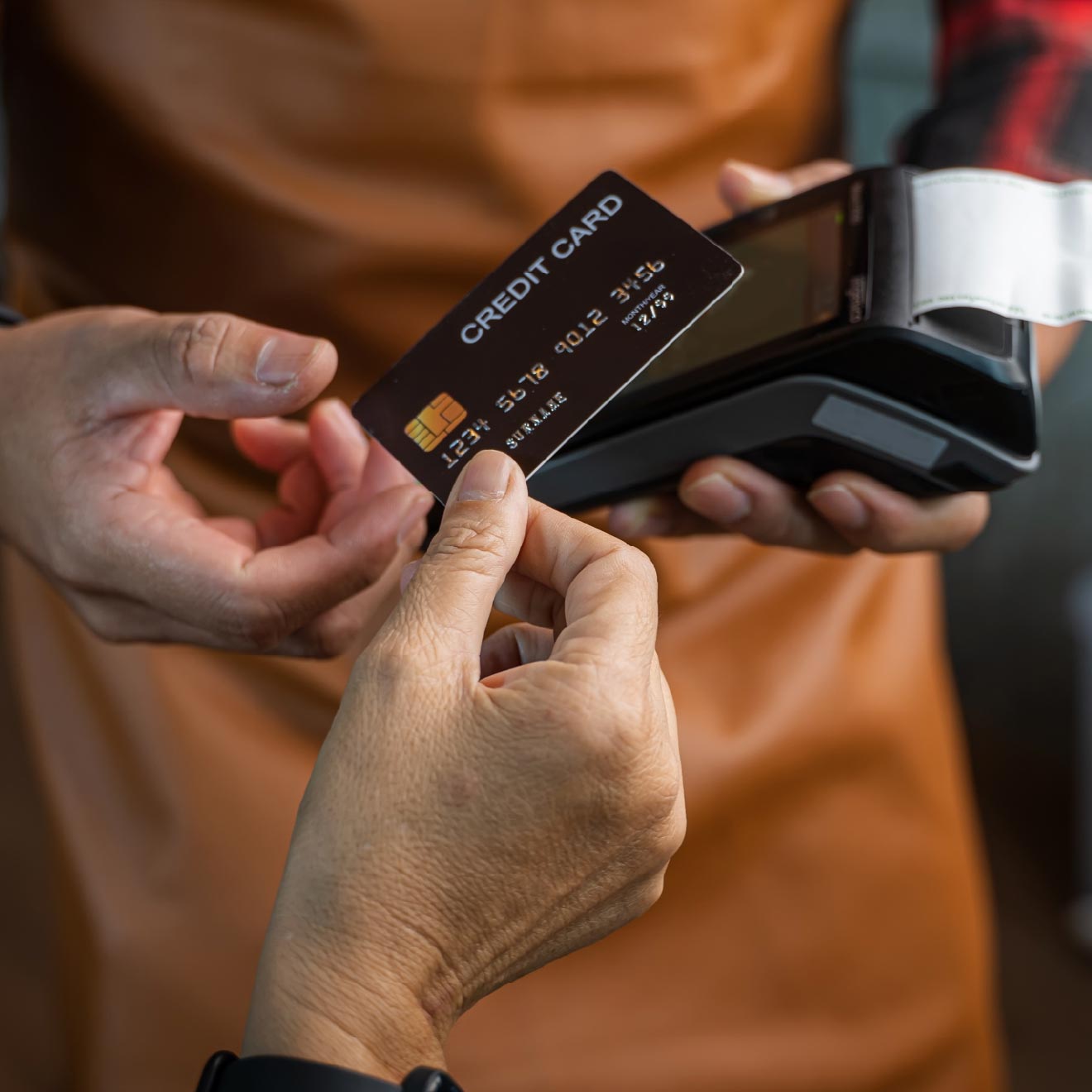
Modern businesses need fast and flexible payment systems to meet customer expectations. A wireless merchant account allows businesses to accept payments anywhere using mobile devices or wireless POS terminals through Wi-Fi or cellular networks.
This payment solution is ideal for businesses such as retail stores, food trucks, delivery services, and field service providers. By enabling payments on the go, businesses can improve customer satisfaction, speed up transactions, and increase revenue.
In this guide, you’ll learn how wireless merchant accounts work, their benefits, and strategies to maximize revenue with mobile payment technology.
What is a Wireless Merchant Account?
A wireless merchant account is a type of payment processing account that enables businesses to accept credit card, debit card, and digital wallet payments using wireless devices.
Unlike traditional POS systems that rely on fixed internet or landline connections, wireless payment systems use:
- Wi-Fi networks
- Cellular networks (3G / 4G / 5G)
- Mobile hotspots
This allows businesses to accept payments anywhere, making wireless payment solutions ideal for mobile businesses and service providers.
Wireless merchant accounts are commonly used with portable POS terminals or mobile POS systems that support contactless payments and digital wallets.
How Wireless Payment Processing Works?
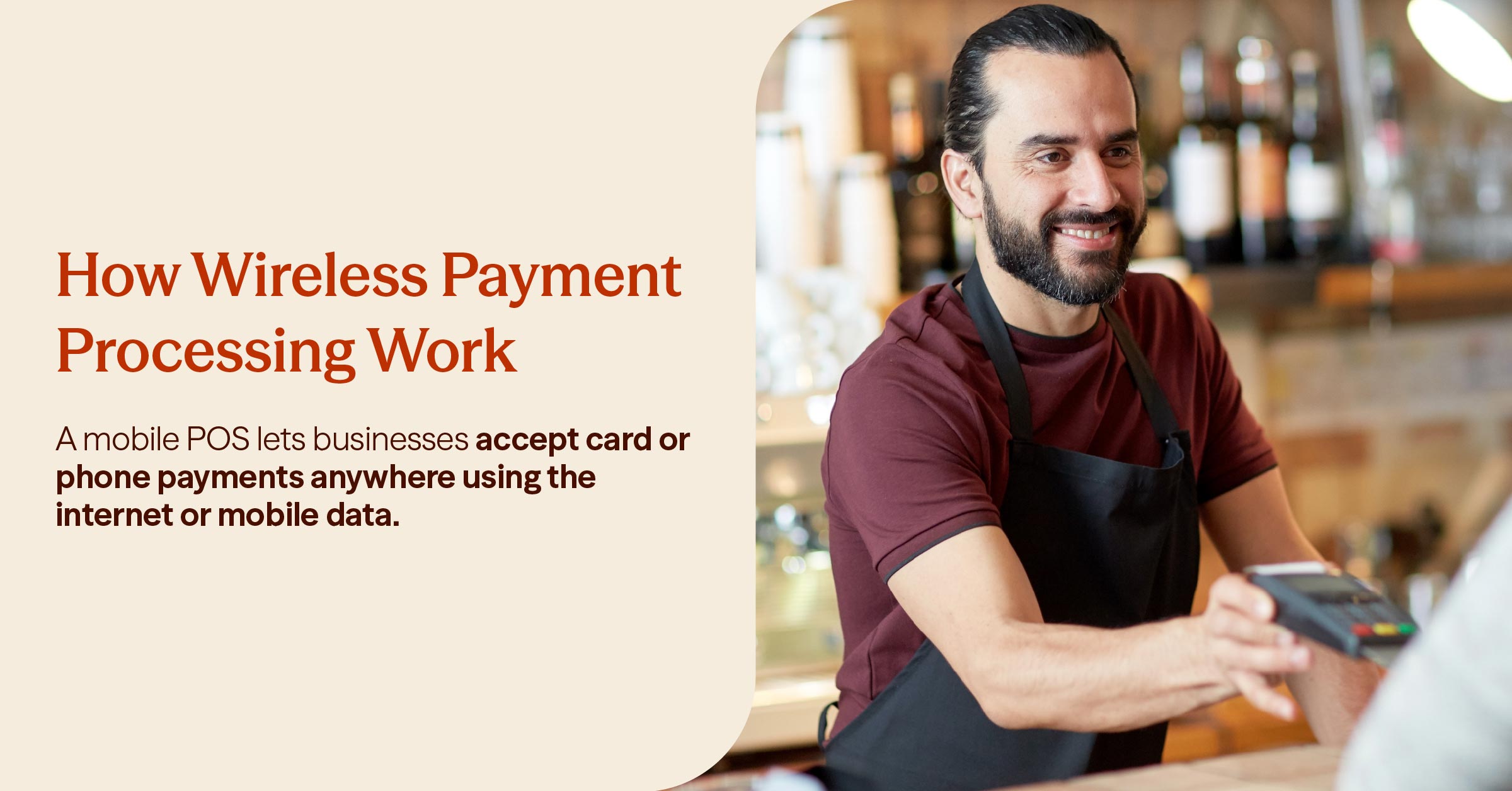
Wireless payment processing follows a secure transaction flow:
Step 1: Customer Initiates Payment
The customer pays using:
- Credit card
- Debit card
- Contactless card
- Digital wallet
- NFC-enabled smartphone
Step 2: Payment Data Is Encrypted
The wireless POS device encrypts the payment information before sending it to the payment gateway.
Step 3: Payment Authorization
The payment gateway sends the transaction request to the customer’s issuing bank for authorization.
Step 4: Transaction Approval
The bank verifies the funds and approves or declines the transaction within seconds.
Step 5: Funds Are Settled
Approved transactions are transferred to the merchant’s bank account through the payment processor.
This entire process typically takes 2–3 seconds, creating a fast checkout experience.
Key Components of a Wireless Merchant Account
1. Wireless POS Terminals
Wireless POS terminals are portable devices that allow businesses to accept payments from credit cards, debit cards, and mobile wallets. These terminals connect to payment networks via cellular or Wi-Fi connections, making them ideal for mobile businesses and events.
2. Multiple Payment Methods
Businesses can accept several payment options, including:
- Credit and debit cards
- Contactless payments (tap-to-pay)
- Mobile wallets such as Apple Pay and Google Pay
- NFC-enabled smartphones
These options make the checkout process faster and more convenient for customers.
3. Real-Time Transaction Processing
Wireless payment systems process transactions instantly through secure networks. Businesses receive payment confirmations quickly, which helps improve cash flow and operational efficiency.
Benefits of Using a Wireless Merchant Account

Wireless merchant accounts offer several advantages that help businesses improve customer experience and increase revenue.
1. Accept Payments Anywhere
One of the biggest advantages of wireless payment solutions is mobility. Businesses can process payments wherever their customers are.
Examples include:
- Food trucks and pop-up stores
- Delivery services
- Outdoor markets and festivals
- Field service businesses
This flexibility helps businesses capture more sales opportunities.
2. Faster Checkout and Improved Customer Experience
Long checkout lines can lead to lost sales. Wireless POS systems speed up the payment process by allowing staff to complete transactions quickly.
Benefits include:
- Reduced wait times
- Faster service during busy hours
- Higher customer satisfaction
Customers are more likely to return to businesses that offer fast and convenient checkout experiences.
3. Support for Contactless and Digital Wallet Payments
Contactless payments are becoming increasingly popular because they are fast and secure.
Wireless merchant accounts support payment technologies such as:
- NFC (Near Field Communication)
- Mobile wallets
- Tap-to-pay cards
Companies like Apple and Google have made digital wallet payments widely accessible through services like Apple Pay and Google Pay.
Offering these options allows businesses to meet modern consumer preferences.
4. Lower Setup Costs Compared to Traditional POS Systems
Traditional POS systems often require expensive hardware and dedicated phone lines.
Wireless payment systems typically have:
- Lower setup costs
- Minimal hardware requirements
- Easy installation
Small businesses and startups benefit from these cost-effective solutions.
5. Real-Time Sales Data and Analytics
Many wireless POS platforms provide built-in reporting tools that help businesses track performance.
These tools provide insights such as:
- Daily sales reports
- Transaction history
- Customer purchasing behavior
With this information, businesses can make better decisions regarding pricing, marketing, and inventory management.
Wireless POS vs Traditional POS Systems
| Feature | Traditional POS | Wireless Merchant Account |
|---|---|---|
| Mobility | Fixed location | Accept payments anywhere |
| Setup Cost | Higher | Lower |
| Payment Methods | Mostly cards | Cards + digital wallets |
| Installation | Complex | Quick setup |
| Customer Experience | Standard checkout | Faster mobile checkout |
Wireless POS systems offer greater flexibility and are better suited for businesses that need mobility.
Security and Compliance for Wireless Payments
Security is a critical aspect of payment processing.
Wireless merchant accounts follow strict security standards set by organizations such as the PCI Security Standards Council.
Key security features include:
- Data encryption
- Tokenization technology
- Secure payment gateways
- Fraud detection tools
These measures help protect sensitive customer information and reduce the risk of fraud.
How to Maximize Revenue with a Wireless Merchant Account
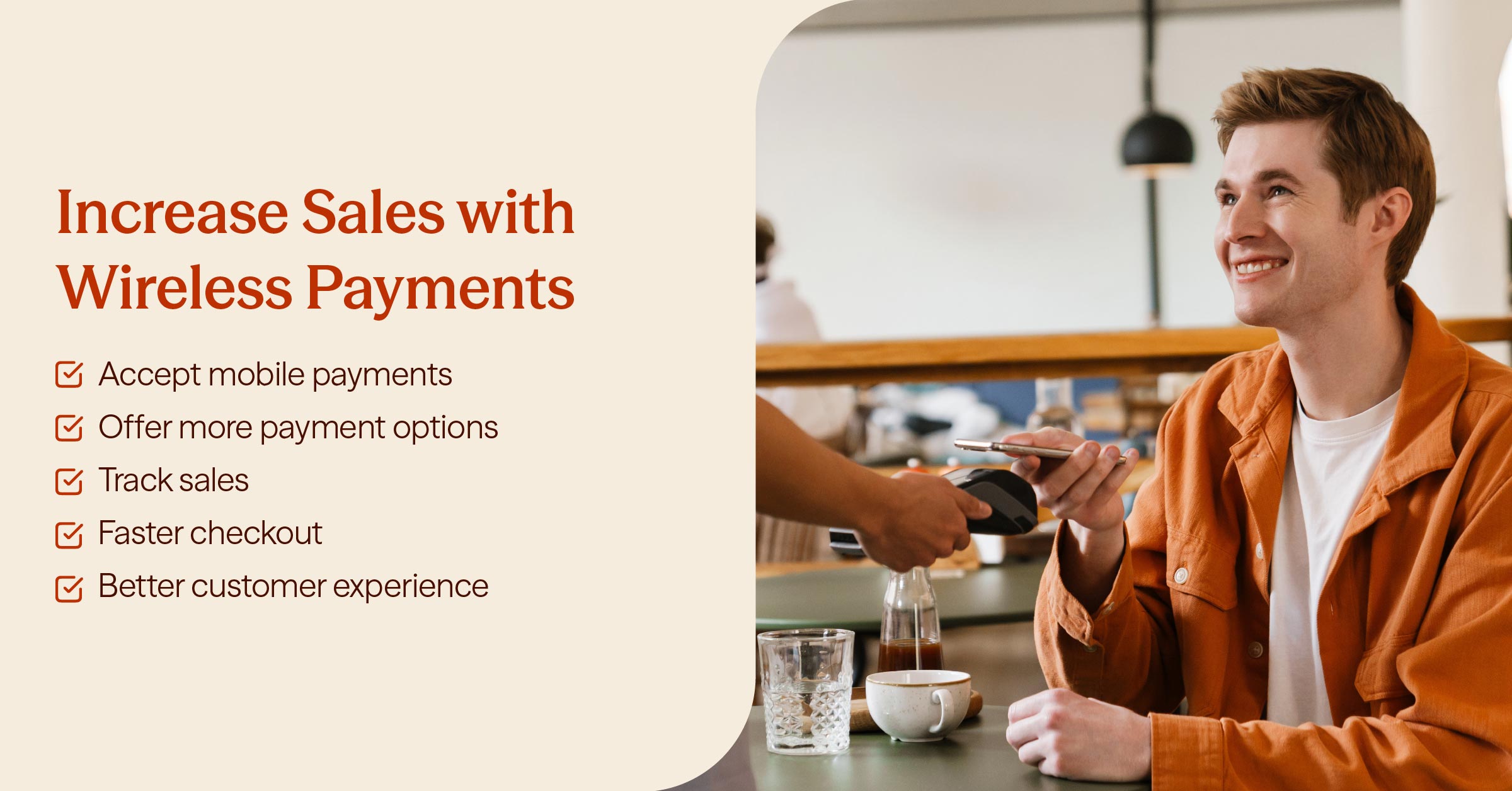
To get the most value from a wireless payment system, businesses should follow these strategies.
1. Choose the Right Payment Provider
Not all payment processors offer the same features. Businesses should compare providers based on:
- Transaction fees
- Customer support
- POS integration
- Mobile compatibility
Selecting the right provider ensures reliable payment processing and lower operational costs.
2. Invest in a Feature-Rich Mobile POS System
Modern mobile POS systems offer advanced features beyond payment processing.
Useful features include:
- Inventory management
- Customer relationship management (CRM)
- Automated sales reports
- Loyalty program integration
These tools help businesses streamline operations and increase sales.
3. Use Customer Data to Improve Marketing
Transaction data from wireless merchant accounts can reveal valuable customer insights.
Businesses can use this information to:
- Identify popular products
- Create targeted promotions
- Build loyalty programs
- Personalize marketing campaigns
Data-driven marketing often leads to higher conversion rates.
4. Promote Contactless Payment Options
Customers should know that your business accepts mobile payments.
Ways to promote wireless payments include:
- Displaying contactless payment signs
- Promoting mobile payments on your website
- Offering discounts for digital wallet users
Encouraging customers to use faster payment methods can improve checkout efficiency.
Best Industries for Wireless Merchant Accounts
Wireless payment solutions are widely used across many industries.
Industries that benefit the most include:
- Retail stores
- Food trucks and restaurants
- Event vendors
- Field service businesses
- Delivery companies
- Transportation services
- Market vendors
Any business that needs flexibility and mobility can benefit from wireless payment processing.
How to Choose the Right Wireless Merchant Account Provider
When selecting a wireless payment provider, businesses should evaluate several factors.
Key considerations include:
Transaction Fees
Look for transparent pricing with competitive processing rates.
Hardware Compatibility
Ensure the provider supports modern wireless POS terminals.
Payment Method Support
The system should accept:
- Credit cards
- Debit cards
- Contactless payments
- Mobile wallets
Customer Support
- Reliable technical support is important for resolving payment issues quickly.
- Choosing the right provider ensures smooth operations and reliable payment processing.
Conclusion
Wireless merchant accounts are transforming how businesses accept payments. By enabling mobile and contactless transactions, wireless POS systems provide the flexibility needed to serve customers anywhere.
Businesses that adopt wireless payment solutions benefit from faster checkouts, improved customer experiences, and increased sales opportunities.
With lower setup costs, advanced security features, and real-time reporting tools, wireless merchant accounts are an essential solution for modern businesses.
If you want to improve payment efficiency and increase revenue, implementing a wireless merchant account is a smart step toward future-ready payment processing.
1. What devices are used for wireless payment processing?
Wireless payments are typically processed using portable POS terminals, mobile card readers, smartphones, and tablets connected through Wi-Fi or cellular networks.
2. Do wireless POS systems require internet access?
Yes. Wireless POS systems use Wi-Fi or cellular networks to securely transmit payment data for authorization.
3. How much does a wireless merchant account cost?
Costs vary depending on the payment processor, transaction volume, and hardware. Most providers charge transaction fees, monthly service fees, and hardware costs.
4. Can wireless POS systems accept contactless payments?
Yes. Most modern wireless POS systems support NFC technology, allowing customers to pay using tap-to-pay cards and mobile wallets.
5. Are wireless payment systems safe for customers?
Yes. Wireless payment systems use encryption, tokenization, and PCI-compliant security standards to protect sensitive payment information.
6. Can small businesses use wireless merchant accounts?
Yes. Wireless merchant accounts are ideal for small businesses because they are affordable, easy to set up, and allow payments to be accepted anywhere.
7. How do wireless merchant accounts increase revenue?
They increase revenue by enabling faster checkouts, supporting multiple payment options, improving customer experience, and allowing businesses to accept payments anywhere.