

In the modern digital economy, businesses must offer fast and secure payment options to customers. One of the most common payment methods worldwide is credit card payment. Whether customers shop online or in physical stores, businesses rely on credit card processing companies to handle transactions smoothly.
A credit card processing company acts as a bridge between businesses, customers, and financial institutions. It manages the technology and infrastructure required to authorize payments, verify transactions, and transfer funds securely.
Understanding how the best credit card processing company works can help businesses choose the right provider and ensure efficient payment management.
What Is a Credit Card Processing Company
A credit card processing company provides the technology and services that allow businesses to accept credit and debit card payments.
These companies connect merchants with financial networks and ensure that payment transactions are processed quickly and securely.
Businesses use credit card processors to:
- Accept payments in-store and online
- Process card transactions securely
- Manage payment data and reporting
- Prevent fraud and unauthorized transactions
Without payment processors, businesses would not be able to accept card payments easily.
Key Players in the Payment Ecosystem
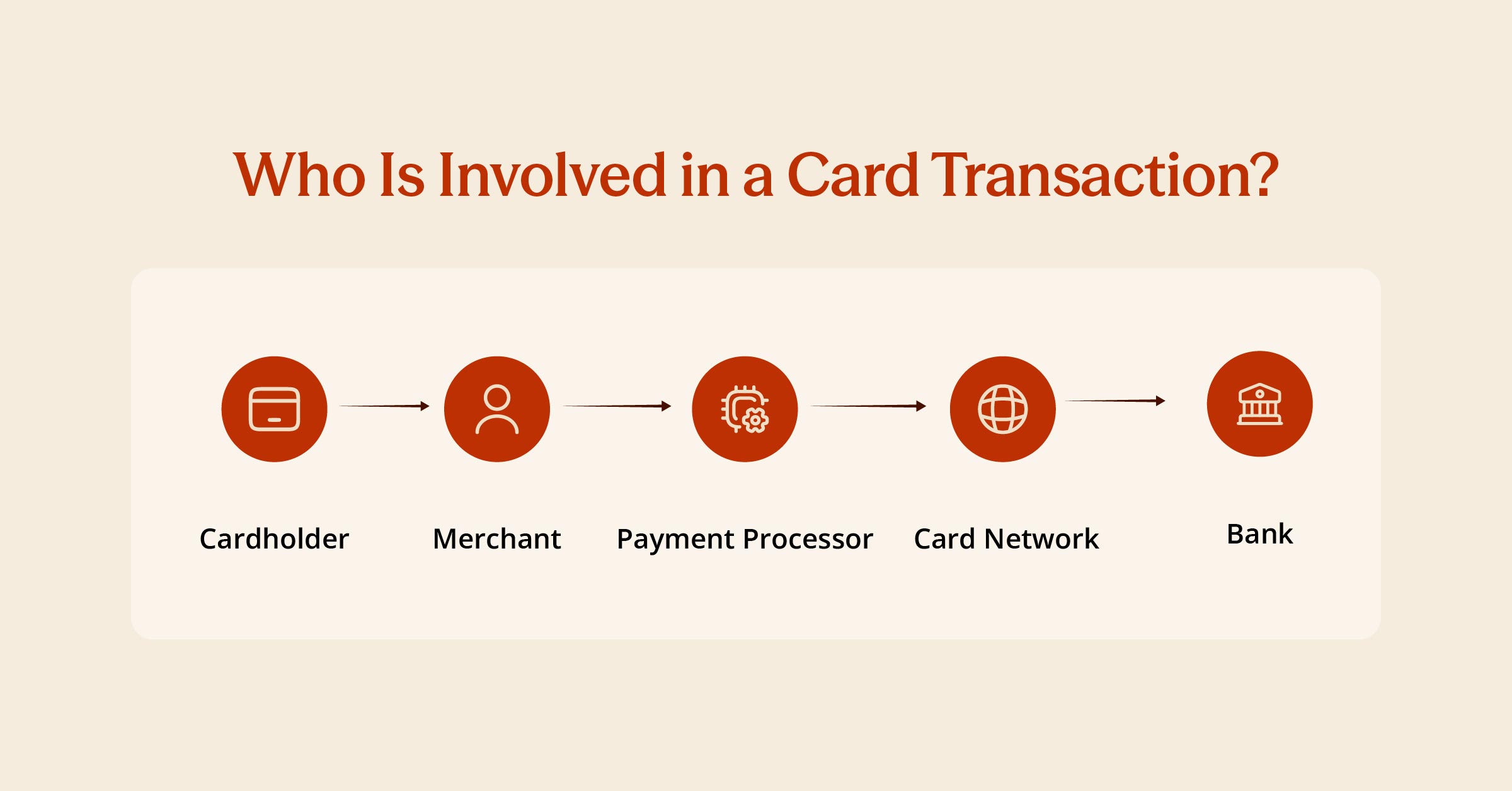
Several entities work together to complete a credit card transaction.
Cardholder
The cardholder is the customer who uses a credit card to make a purchase.
Merchant
The merchant is the business that accepts the payment in exchange for products or services.
Payment Processor
The payment processor handles communication between the merchant, banks, and card networks.
Payment Gateway
A payment gateway securely transfers customer payment information from a website or POS system to the payment processor.
Issuing Bank
This is the bank that issued the customer’s credit card and approves or rejects transactions.
Acquiring Bank
The acquiring bank receives the payment on behalf of the merchant.
The Three Main Stages of Credit Card Processing
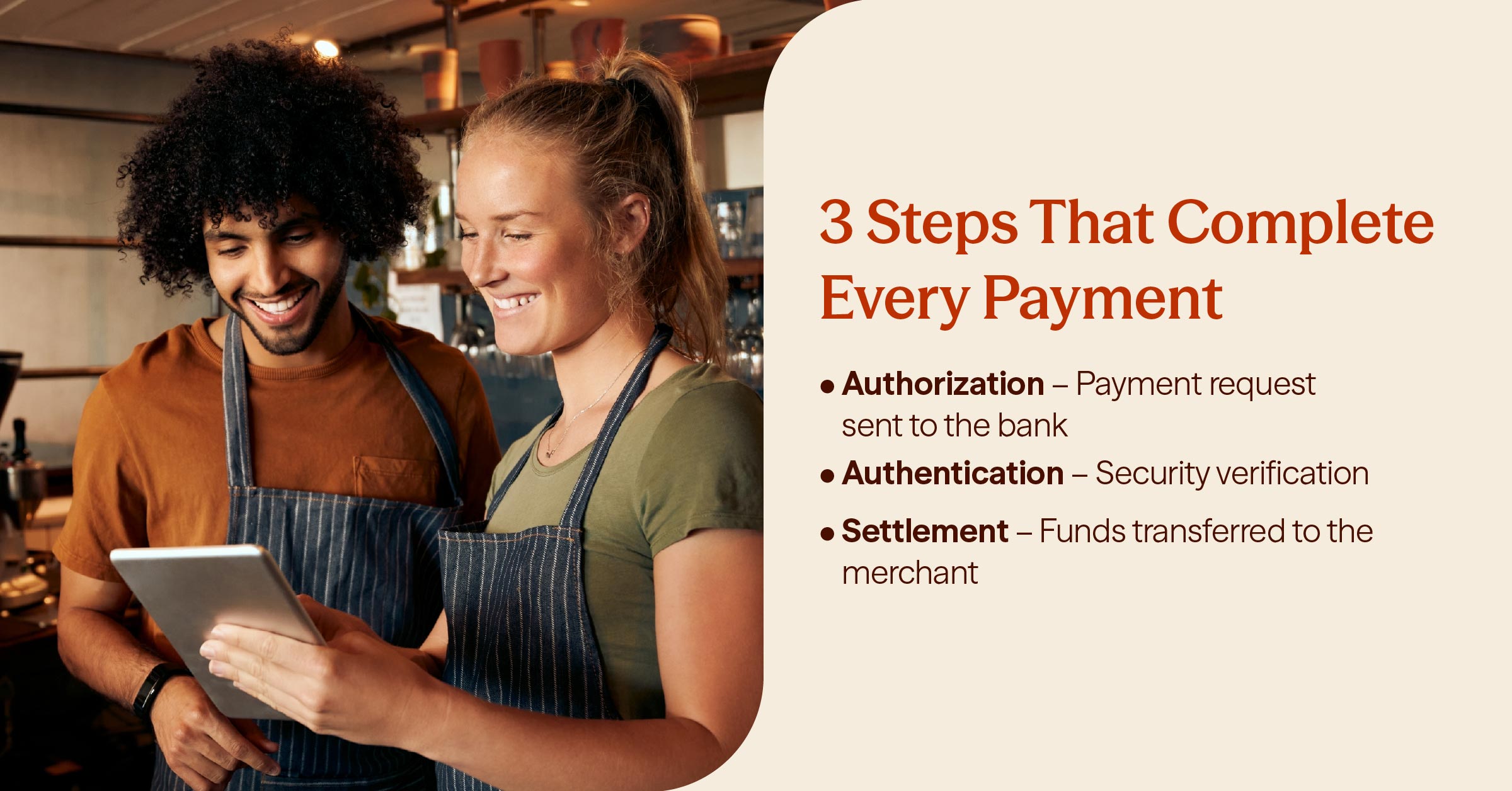
The best credit card processing companies manage transactions through three main stages.
1. Authorization
Authorization is the first step in the credit card transaction process. When a customer swipes, inserts, or enters their card details, the payment processor sends a request to the issuing bank.
The bank checks several factors, including:
- Available credit or funds
- Card validity
- Fraud risk
If everything is valid, the bank approves the transaction. If there are issues such as insufficient funds or suspicious activity, the transaction may be declined.
2. Authentication
After authorization, authentication verifies that the cardholder is legitimate. Modern payment processors use multiple security measures to confirm the identity of the customer.
Examples of authentication methods include:
- CVV verification
- One-time passwords (OTP)
- Two-factor authentication
- Address verification systems
These technologies help reduce fraud and protect businesses from financial losses.
3. Settlement
- Settlement is the final stage of the payment process. Once a transaction is approved, the issuing bank transfers funds to the acquiring bank.
- The acquiring bank then deposits the funds into the merchant’s account, usually within one to three business days.
- This step completes the payment cycle and ensures that businesses receive their earnings.
Types of Credit Card Processing Solutions
Businesses can choose from different payment processing solutions based on their needs.
Point-of-Sale (POS) Systems
POS systems allow businesses to accept card payments in physical stores using card readers or payment terminals.
Online Payment Gateways
E-commerce businesses use payment gateways to process online payments securely through websites or mobile apps.
Mobile Payment Processing
- Mobile payment systems enable businesses to accept payments using smartphones or tablets.
- This option is popular among freelancers, delivery services, and small retailers.
Virtual Terminals
Virtual terminals allow businesses to manually enter card details for phone orders or remote transactions.
Security Technologies in Payment Processing
Virtual terminals allow businesses to manually enter card details for phone orders or remote transactions.
PCI DSS Compliance
PCI DSS standards ensure businesses follow strict security guidelines when handling cardholder information.
Tokenization
Tokenization replaces sensitive card data with unique tokens that cannot be used outside the transaction.
Encryption
Encryption protects payment information during transmission by converting it into unreadable code.
Fraud Detection Systems
Advanced fraud detection tools monitor transactions in real time to identify suspicious activity.
Pricing Models Used by Credit Card Processing Companies
Payment processors charge fees for handling transactions. Understanding pricing models helps businesses manage costs.
Flat Rate Pricing
A fixed percentage is charged for each transaction.
Example: 2.9% + $0.30 per transaction.
Interchange Plus Pricing
This model separates bank interchange fees from the processor’s markup, offering greater transparency.
Tiered Pricing
Transactions are categorized into different tiers with varying rates.
Subscription Pricing
Businesses pay a monthly subscription fee plus a small transaction charge.
Benefits of Choosing the Best Credit Card Processing Company

Selecting the right processor offers several advantages.
Faster Transactions
Efficient processors complete payments within seconds, improving checkout experiences.
Increased Sales
Accepting multiple payment methods encourages customers to complete purchases.
Better Security
Advanced fraud protection and encryption keep customer data safe.
Business Insights
Payment processors provide analytics and reports to help businesses track revenue and performance.
How to Choose the Best Credit Card Processor
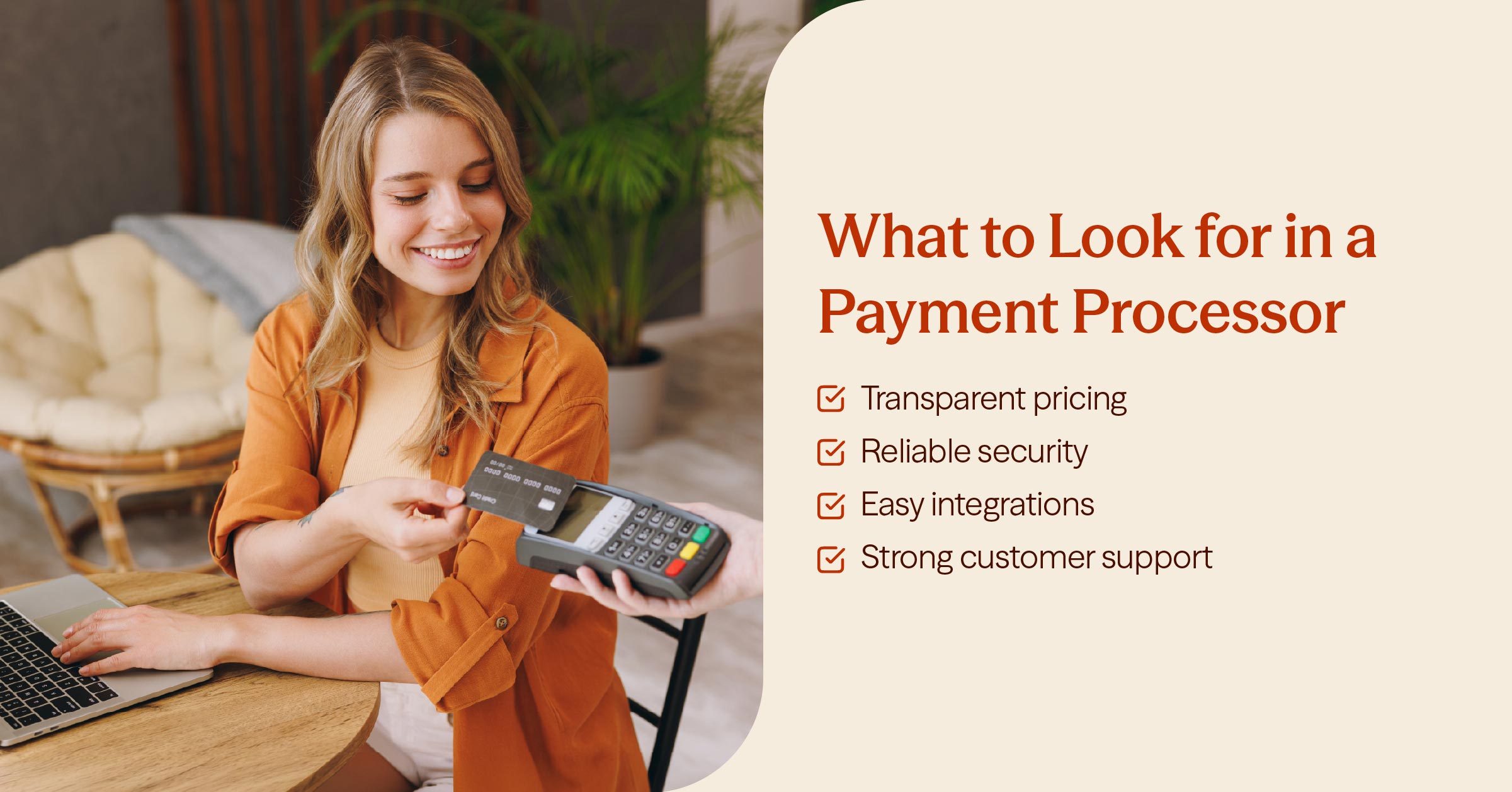
Businesses should evaluate several factors before selecting a payment processor.
- Transaction fees and pricing transparency
- Security features and compliance standards
- Integration with existing business systems
- Customer support and reliability
- Scalability for business growth
Choosing the right processor ensures smooth payment operations and better customer experiences.
Conclusion
Credit card processing companies are essential for modern businesses. They help merchants accept payments securely and complete transactions quickly.
Understanding how credit card processing works makes it easier to choose a reliable provider with strong security, fair pricing, and easy integrations.
As digital payments continue to grow, selecting the right credit card processing company can improve customer experience and simplify payment management.
Looking for a better payment solution?
Choose a trusted credit card processing provider to help your business accept payments smoothly and grow with confidence.
1. What is the difference between a merchant account and a payment processor?
A merchant account holds funds from credit card transactions temporarily, while a payment processor handles the communication between banks and card networks to complete the payment.
2. Can small businesses use credit card processing services?
Yes. Many payment processors offer affordable solutions designed for small businesses, including mobile payments, POS systems, and online payment gateways.
3. What is PCI compliance in credit card processing?
PCI compliance refers to security standards that protect credit card data and ensure safe payment transactions.
4. What is a chargeback in credit card processing?
A chargeback happens when a customer disputes a payment and requests a refund through their bank.
5. What is an interchange fee?
An interchange fee is the cost paid by the merchant’s bank to the cardholder’s issuing bank for processing a card transaction.
6. Do credit card processing companies support international payments?
Yes. Many processors allow businesses to accept payments from customers in different countries and currencies.
7. Which industries use credit card processing services?
Retail, e-commerce, hospitality, healthcare, and service businesses commonly use credit card processing systems.